




Website Powered by Bailey's Assets
.png)
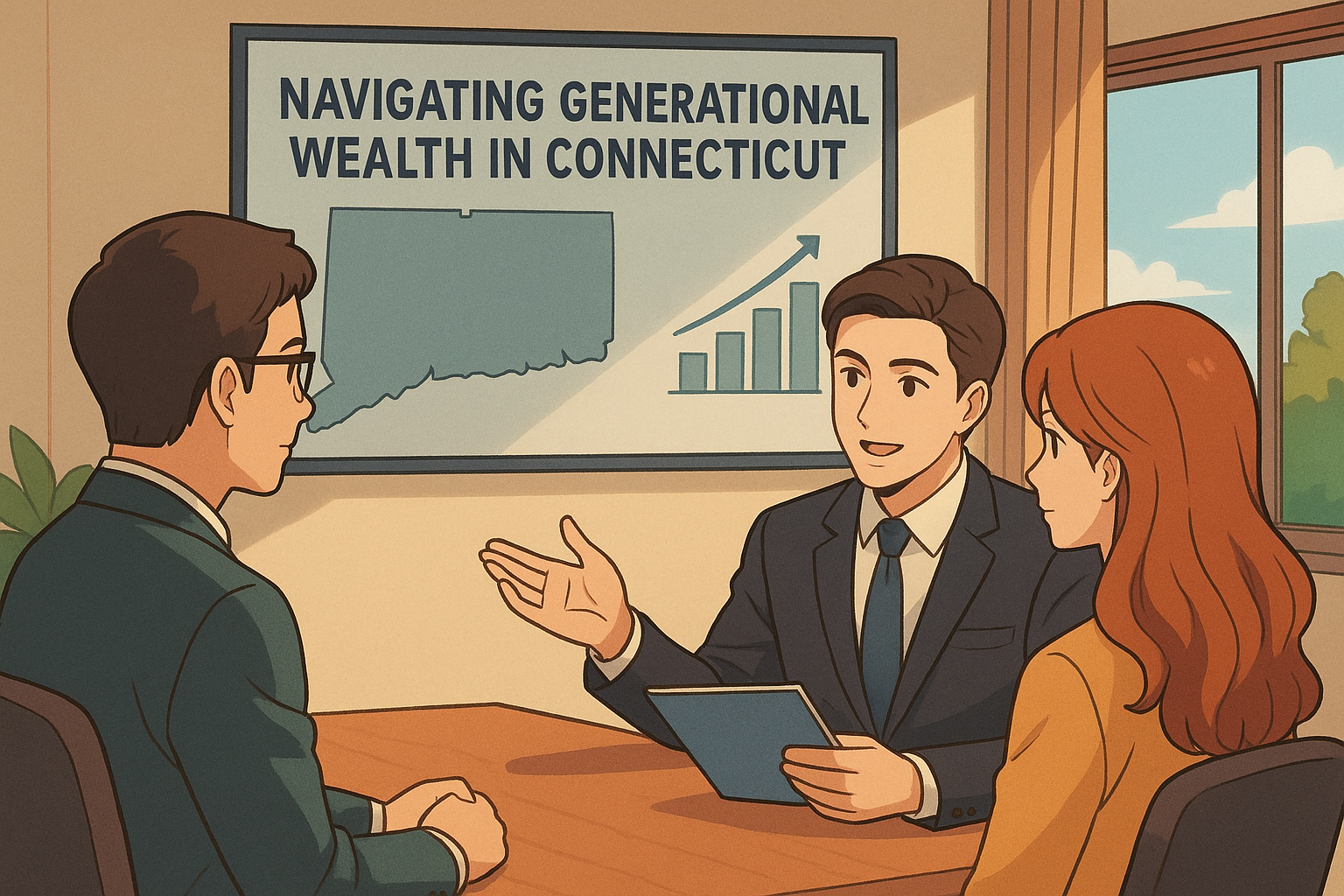
For high-net-worth individuals and families in Connecticut, the prospect of preserving and growing wealth across generations presents both significant opportunities and complex challenges. At Experity CPA, we understand that true generational wealth management extends far beyond investment portfolios; it requires a specialized, integrated approach that meticulously addresses tax implications, legal structures, and evolving family dynamics.
Understanding Generational Wealth in Connecticut
Generational wealth refers to financial assets—such as cash, investments, real estate, and family businesses—that are passed down through families to children, grandchildren, and beyond. Its importance lies in providing future generations with a financial head start, fostering economic mobility, and creating lasting legacies. For many, the goal is not merely to transfer money but to equip heirs with the resources and knowledge to build upon that foundation.
The Unique Landscape of Wealth Transfer in Connecticut
Connecticut stands out with a significant concentration of millionaires, ranking among the highest in the nation. This affluent demographic faces a unique set of considerations for wealth transfer. Connecticut is one of several states that levy its own estate tax, in addition to federal estate taxes. As of 2024, Connecticut’s estate tax exemption matches the federal exemption of $13.61 million, but it’s crucial to note that the federal exemption is scheduled to be reduced by approximately 50% in 2026. Furthermore, Connecticut is one of only a few states that also imposes a gift tax, requiring reporting on gifts exceeding the annual exclusion amount. This intricate tax landscape makes proactive and informed planning essential for Connecticut residents.
Common Challenges in Passing Down Wealth
Passing down substantial wealth is rarely straightforward. Key challenges include: * Taxes: Federal and state estate taxes, gift taxes, and capital gains taxes can significantly erode inherited wealth if not strategically planned for. Without proper planning, heirs might face substantial tax liabilities. * Family Dynamics: Wealth can be a catalyst for both unity and discord within families. Differing values, expectations, and communication breakdowns can lead to misunderstandings, conflicts, and even legal disputes. The proverb “clogs to clogs in three generations” highlights the risk of wealth being squandered if not managed with intentionality and education. * Legal Complexities: Navigating wills, trusts, probate processes, and ever-changing tax laws requires specialized legal and financial expertise. Delays or errors in planning can lead to protracted probate, unintended distribution of assets, and increased costs.
The CPA’s Role in Generational Wealth Planning
Beyond Investment Management: Why Tax Strategy is Crucial
While financial advisors excel at investment management, a CPA brings a critical, specialized perspective: tax strategy. For high-net-worth families, optimizing tax efficiency is paramount to preserving and growing wealth across generations. This includes intricate knowledge of estate and gift tax laws, income tax implications of various investment vehicles, and strategies to minimize tax burdens at every stage of wealth transfer. A significant concern in wealth transfers is the potential tax burden on beneficiaries, which can fundamentally change their financial profiles. CPAs ensure that plans are designed to account for future wealth transfers and their associated tax implications.
Integrated Approach: How CPAs Work with Financial Advisors and Estate Attorneys
Effective generational wealth planning requires a collaborative team. Experity CPA adopts an integrated approach, working seamlessly with your existing financial advisors and estate attorneys. This collaboration ensures that all aspects of your financial life—investment strategies, legal documents, and tax planning—are aligned to achieve your overarching wealth transfer goals. Financial advisors should initiate conversations about estate planning and collaborate closely with estate attorneys to implement strategies effectively. CPAs coordinate with tax professionals to address significant tax implications, especially for high-net-worth individuals concerned with federal estate taxes, capital gains taxes, and gifting.
Experity CPA’s Holistic Approach to Wealth Preservation and Growth
At Experity CPA, we go beyond traditional accounting services. Our holistic approach integrates comprehensive tax planning with your overall wealth management strategy, focusing on long-term preservation and growth. We help orchestrate a cohesive plan that considers all facets of your financial legacy, ensuring that your wealth serves your family’s future effectively.
Key Strategies for Tax-Efficient Wealth Transfer
Estate Planning Fundamentals
Advanced Tax Planning for Wealth Transfer
Philanthropic Giving and Impact Investing
Protecting and Growing Your Legacy for Future Generations
Educating the Next Generation on Financial Stewardship
A key to enduring generational wealth is preparing heirs for its responsibilities. This involves more than just transferring assets; it’s about instilling financial literacy, discipline, and a deep understanding of the family’s values and goals. Families often prioritize financial security for future generations. Investing in financial literacy ensures heirs understand risk, inflation, and investment fundamentals, enabling them to make better decisions.
Ensuring Family Harmony Through Clear Communication and Planning
Open and honest communication about wealth, values, and expectations is crucial for maintaining family harmony and avoiding disputes. Regular family meetings and clearly defined roles can prevent conflicts and foster a shared vision for the family’s financial future. Professional guidance can help families navigate the emotional complexities of wealth transfer and succession planning.
Regular Review and Adaptation of Your Generational Wealth Plan
Wealth transfer planning is not a one-time event but an ongoing process. Life events, market changes, and evolving tax laws necessitate regular review and adaptation of your plan. Staying informed and proactive ensures your generational wealth plan remains aligned with your objectives and the current financial landscape.
Why Choose Experity CPA for Your Generational Wealth Needs in Connecticut?
Our Expertise in Connecticut Tax Laws and Regulations
Experity CPA possesses deep expertise in the specific tax laws and regulations affecting generational wealth in Connecticut. We understand the nuances of the state’s estate tax and gift tax, enabling us to craft highly effective, localized strategies for your family.
Personalized Solutions for Complex Financial Situations
We recognize that every high-net-worth individual and family has a unique financial situation. Experity CPA provides personalized solutions tailored to your specific goals, assets, and family dynamics, addressing even the most complex wealth transfer scenarios.
A Collaborative Partner in Your Wealth Journey
Experity CPA is more than just an accounting firm; we are a dedicated partner in your long-term wealth journey. We work collaboratively with your entire advisory team—financial advisors, estate attorneys, and other professionals—to ensure a cohesive, integrated strategy that safeguards and grows your legacy for generations to come.
Sources
This article is for informational purposes only and does not constitute legal or tax advice. Consult a qualified professional for advice specific to your situation.